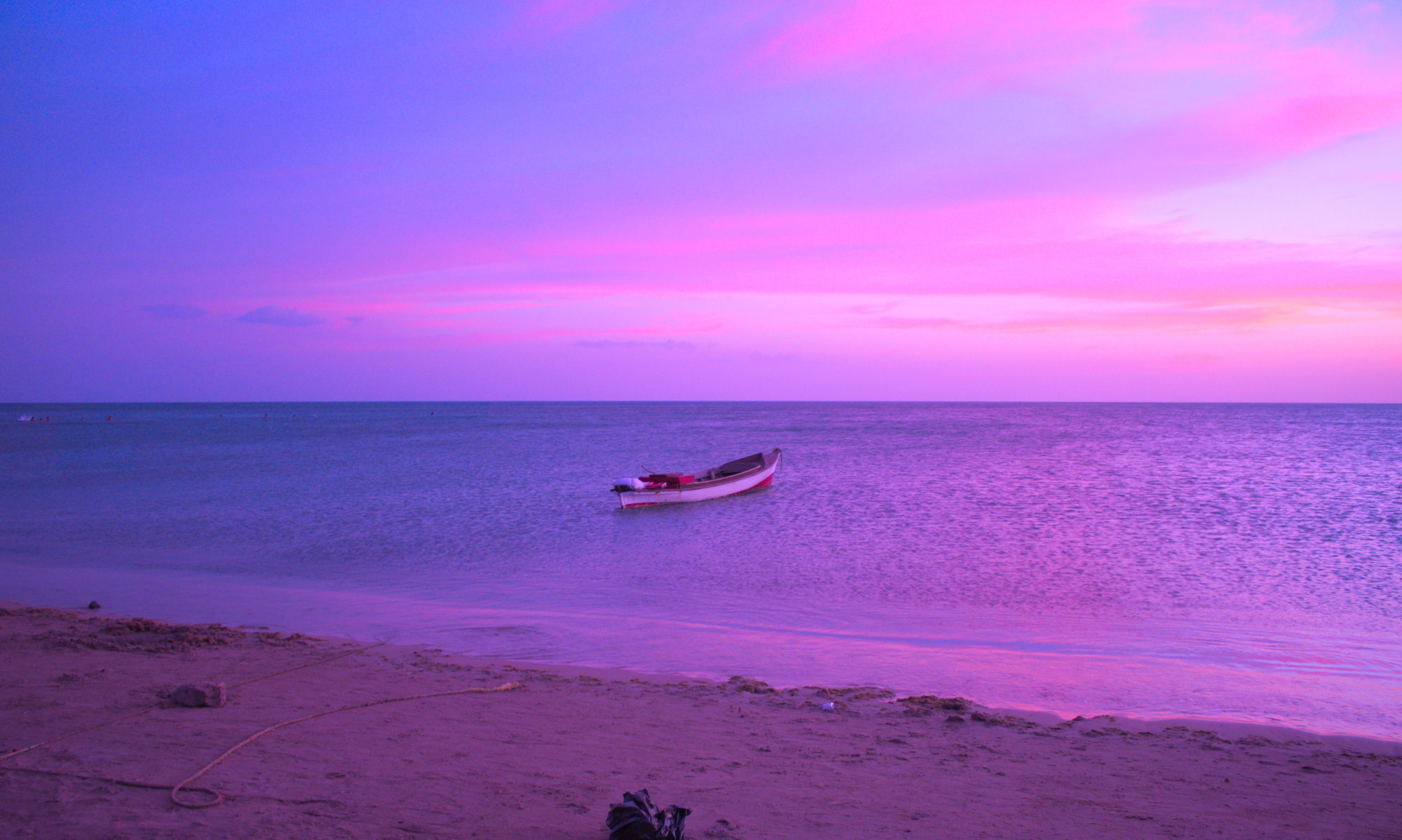
Los Guayabales es un hospedaje pequeño con cabañas en los cerros de Norte de Santander Colombia que incluye una piscina y cafeteria. Perfecto para un paseo de fin de semana para escapar en la naturaleza.
¿Dónde se encuentra “Los Guayabales”?
Los Guayabales se encuentra en la carretera principal que conecta Cúcuta y Pamplona. Está a aproximadamente 1,5 horas de Cúcuta, Colombia (la ciudad más cercana) ya unos 30 minutos de Pamplona (una ciudad universitaria cercana) en los cerros del Norte de Santander.
¿Cómo se ven las cabañas?
Una Cabaña
Las Cabañas de Los guayabales tienen un aspecto muy único. Son de forma triangular y tienen ventanas muy pequeñas. Me sentí como si estuviera en una pequeña finca.
¿Cómo está el clima?
Considero que el clima esta en la gama suave a fría. No tan fría como la vecina Pamplona y definitivamente no tan caliente como Cúcuta. Puede ser más frío en la noche, así que asegúrese de vestirse apropiadamente.
¿Qué hacer en “Los Guayabales”?
Unas Carpas
Los Guayabales es un lugar ideal para disfrutar de la naturaleza. Se encuentra en las verdes montañas de Norte de Santander y tiene calidad de aire fresco. Es un gran lugar para dar un paseo y disfrutar de su tiempo con la familia y amigos. También puede acampar en carpas si usted quiere.
¿Hay animales en “Los Guayabales”?
Sí, yo ví cabras y aves. Ver fotos abajo:
Familia de Cabras
Una Cabra
“Birdwatching”
Pájaro Malvado
Un Loro
¿Cómo llegar allá?
La Mapa
El camino más fácil iendo desde Cúcuta sería viajar en bus desde la terminal. La segunda ciudad más cercana es Bucaramanga que está aproximadamente a 4.5 o 5 horas en bus.
¿Qué es el precio?
Una cabaña normal que cabe 8 personas cuesta cómo 150.000 COP más o menos. Los precios dependen del tamaño de su cabaña y la fecha de su estancia.
¿Cual son mis recomendaciones?
Yo en la Cabaña
Si te pasan a hacer el viaje a “Los Guayabales” te recomiendo que echa un vistazo a algunos de los pueblos cercanos para añadir a tu experiencia. Algunos de los pueblos cercanos incluyen: Pamplona, Pamplonita, Bochalema, Chinácota, Mutiscua y muchos más.
Un hombre en Pamplona que dice que el va a ser el presidente proximo de Venezuela
Eso concluye la Edición de Septiembre de mis BLOGs. Para mi viaje el próximo mes, planeo viajar a Arauca. Voy a estar seguro de documentar mi experiencia aquí. Que tengan un buen día y viajen seguros!
Los Guayabales is a small cabaña (cabin) resort located in the hills of Norte de Santander Colombia that includes a pool and cafeteria. Perfect for a weekend getaway to escape in nature.
Where is “Los Guayabales” located?
Los Guayabales is located on the main road that connects Cúcuta and Pamplona. It’s roughly 1.5 hours from Cúcuta, Colombia (the closest major city) and approximately 30 min from Pamplona (a nearby college town) in the hills of Norte de Santander.
What do the Cabañas look like?
A Cabaña at Los Guayabales
The Cabañas at Los Guayabales have a very unique look. They are triangular shaped and have very small windows. I felt as if I was in a small cottage.
What is the climate like?
I would consider the climate to be in the mild to cold range. Not as cold as neighboring Pamplona and definitely not as hot as Cúcuta. It may become colder in the night so make sure to dress appropriately.
What to do at “Los Guayabales”?
Tents if you wish to camp
Los Guayabales is a great place to enjoy nature. It’s located in the green mountains of Norte de Santander and has fresh air quality. It’s a great place to go for a walk and enjoy your time with family and friends. You can also camp in tents if your feeling up to it.
Are there animals at “Los Guayabales”?
Yes, I attempted to do some birdwatching and also spotted some goats. See photo gallery below:
Familia de Cabras
Una Cabra
“Birdwatching”
Pájaro Malvado
Un Loro
How to get there?
Map of the route I took
The easiest way if starting from Cúcuta would be to catch a bus from the terminal. The second closest major city is Bucaramanga which I would estimate to be around 4.5 to 5 hours in bus. If starting from Bucaramanga you can depart from the terminal and heads towards Cúcuta.
What is the cost?
A normal cabaña that fits 8 costs around 150 COP ($50 USD). The prices depend on the size of your cabaña and the date of your stay.
What are my recommendations?
The Cabaña that we stayed at
If you happen to make the trip to “Los Guayabales” I recommened checking out some of the nearby pueblos (towns) to maximize your experience. Some of the nearby towns include: Pamplona, Pamplonita, Bochalema, Chinácota, and Mutiscua to name a few.
Man I spotted in nearby Pamplona that claimed he will be the next President of Venezuela.
That concludes my September Edition Travel BLOG. For my trip next month, I plan to travel to Arauca. I will be documenting my experience here so stay tuned.
If you have any questions please feel free to reach out to me. Have a good day and safe travels!
My bags were packed and ready to go. Shortly I would be departing for the upper portion of the Guajira Peninsula. I heard of this remote landscape online and had a somewhat mild game plan of how I was going to get there.
My plan was to fly from CÚCUTA to RIOHACHA and figure out the rest upon arrival. From my brief research, the best route after Riohacha was to travel in colectivo (a public transportation vehicle) to Uribia (the contraband capital of Colombia). Once in Uribia, the plan was to travel in colectivo again to Cabo De La Vela. Last but not least, once in Cabo De La Vela I would travel in Jeep to Punta Gallinas, the Northern-Most point of South America.
This is a map of the Route I planned to take:
A map of the planned route from Cúcuta to Punta Gallinas
Arrival to Riohacha
When I arrived in Riohacha it was very hot but since I live in Cúcuta I was accustomed to the heat. I told the taxi men at the airport I needed to go to Uribia and their response was “100 mil”. I knew this was way overpriced of a quote. I rephrased my statement that I needed to go to the “Colectivos para Uribia”. A taxi driver agreed to take me there for 10 mil.
Once at the colectivo spot, I waited about 15 minutes for our colectivo car to fill up with passengers and off we were. The transport fee from Riohacha to Uribia was 15 Mil and roughly 1.5 hours of time until Uribia arrival.
Arrival to Uribia
I ate lunch at a restaurant in Uribia that was surprisingly tasty and then began waiting for the next Colectivo to fill. Uribia was a very interesting town. Lots of gasoline smuggling, contraband and street merchants. While waiting, I noticed the passengers stocking up on water to bring to Cabo de la Vela. When I asked them about it they said water was much cheaper in Uribia.
Make sure to stock up on water in this city if you decide to make the trip. This colectivo took a lot longer to fill up with passengers. After about an hour of wait time we finally departed. Travel time from Uribia to Cabo de la Vela was roughly 1.5 hours plus 1 hours of wait time and cost 20 mil.
Arrival to Cabo de la Vela
Cabo de la Vela. What an interesting place. The tranquility was on a whole other level. When we arrived I was somewhat disorientated from the long bumpy ride through the barren desert. I agreed to stay at a hospedaje recommended by the colectivo driver that was called “Pargo Dorado”. Pargo Dorado has hammocks on the beach for 12 mil and also has Fresh Lobster for 30 mil (~10USD).
Fresh Lobster for 30mil ~ 10USD
I thoroughly enjoyed my stay there and would recommend it if you are in town. After getting settled I unpacked and began exploring the mysteries of Cabo.
My energy was supercharged at this point and I wrote this quote which I later used as the caption in one of my Instagram (@rarecolombia) pics I took of the sunset at Cabo de la Vela:
“The most important things we collect in LIFE are not the clothing, cars and material things. It is the *MEMORIES* we collect over TIME that matter most.” – rJL
Journey to Pilón de Azúcar
The first night sleeping in a hammock was different but eventually the body gets used to it. One thing to note about sleeping in hammocks on the beach in Cabo is that there are no mosquitoes, only wild flys.
Blue Sunrise in Cabo
When I awoke after my first night, I departed in Moto taxi to Pilón de Azúcar. The ride cost 5 mil and took anywhere from 10 to 15 minutes. You can walk there if you like, as I would estimate it to take around an hour walking. If you do decide to walk, make sure to bring enough water.
When I arrived there was a small amount of other tourists present. What is there to do at the Pilón de Azúcar? Well for one you can hike to the top of Pilón de Azúcar, which is a small mountain with a Shrine at the top. You can also descend to the Playa del Pilón de Azúcar which is absolutely beautiful. If your really feeling risky you can go for a walk in the barren desert and see what you find!
Playa Pilón de Azucar
First encounter with the Wayúu
After hiking to the top of Pilón de Azúcar and descending down to the nearby beach, I was tired from the immense heat. I took shelter in one of the sun houses made by the indigenous Wayúu that populate the land. As I was resting, I saw the Wayúu painting their face for sun protection and told them I wanted mine painted as well. After they painted my face I gave my camera to a Wayúu boy and he snapped this pic of me and a Wayúu female.
First encounter with the Wayúu
Journey to El Faro
Later in the day I ventured to “El Faro” to watch the sunset. El Faro is a lighthouse with a viewpoint at the top of a hill located on an extreme point of Cabo de la Vela overlooking the water. I remember it being very windy there. Similar to Pilón de Azúcar you can go in Moto Taxi or walk. Here is a pic I snapped at the top.
El Faro in Cabo de la Vela – Indigenous Wayúu Children
Journey to Punta Gallinas – The Secret Toll Road of La Guajira
We departed from Cabo de la Vela the next day at 5:30am. On the way from Cabo de la Vela to Punta Gallinas I was surprised what I saw in the middle of the remote desert. The ride took about 4 hours in Jeep and was full of twists, turns, rocks and dust.
My surprise was the abundance of Wayúu children who set up homemade roadblocks with string and rope. They demanded candy or bags of water for us to pass. As we passed we tossed some candy and the children allowed us to continue. I have never seen anything like this. It is a very sad situation for the Wayúu as they live in extreme poverty and harsh environmental conditions. Seeing this opened up my eyes and reminded me to ALWAYS BE GRATEFUL of what you have. To see my full video of the “Secret Toll Road of La Guajira” click the video below:
Arrival to Punta Gallinas
The Northern-Most point of South America, Punta Gallinas was absolutely breathtaking. The unexplored beauty of this place is something out of a fairy tale book. Very little people have made it there due to it’s difficulty to reach and location remoteness.
After travelling from Cabo de la Vela to Punta Gallinas across remote Guajira desert in Jeep, we arrived to a small boat dock practically in the middle of nowhere. We transferred our bags from Jeep to Boat and begin cruising down a river until we arrived at the official Punta Gallinas arrival dock. We ascended up a set up steps that had a somewhat “Jerusalistic” feel. Maybe this explains why they named a section of Punta Gallinas, “Nazareth”. At the top of the steps was the place we would be staying, the only lodging in Punta Gallinas by the name of “Hotel Alexandra”.
Due to the extreme conditions of Punta Gallinas, some trees tend to grow sideways from constant wind exposure. You can see an example of this in the pic I snapped below.
A “Libidibia Coriaria” Tree in Punta Gallinas
Journey to El Faro and Las Dunas de Taroa
Immediately upon arrival we ate lunch at Hospedaje Alexandra in Punta Gallinas. After our meal we departed in Jeep to El Faro de Punta Gallinas (geographically the most northern point) and Playa Las Dunas de Taroa (an exotic sand dune beach). This is a picture I snapped of a friend at Las Dunas de Taroa:
A perfectly timed pic I snapped of a friend at Las Dunas de Taroa
Hospedaje Alexandra
The only lodging place in Punta Gallinas, Hospedaje Alexandra is one of the most interesting places I have ever stayed at. We slept in “Chinchorros”; beautiful hammocks handmade by the Wayúu. One highlight of Punta Gallinas was the Chivo (Goat) I ate for dinner. It was the BEST GOAT I have eaten in my life! This is a picture of two wild pigs walking around Hospedaje Alexandra:
Wild pigs at Hospedaje Alexandra
Journey to Ojo de Agua
After a full day and night at Hospedaje Alexandra we prepared to return to Cabo de la Vela. We departed from Punta Gallinas and arrived in Cabo de la Vela sometime around noon. I relaxed, ate lunch, and set off to a place called “Ojo de Agua” about 15 mins from Cabo de la Vela in moto taxi. My plan was to take some pics of the sunset. Here is my favorite picture I took of the sunset at “El Ojo de Agua”:
Sunset at the Ojo de Agua in Cabo de la Vela
Return to Cúcuta
The next day I travelled in colectivo from Cabo de la Vela to Uribia, colectivo from Uribia to Riohacha, in plane from Riohacha to Bogota, and finally plane from Bogota to Cucuta. This is page 1 of my diary I wrote on the plane:
“I realize the importance of life and death. The importance of consumption to live. The importance of timing and the concept of time. No moment will last forever, only the memories. It is important to live in the moment and take no moment for granted. Also, it is important to surround yourself with others of productivity and intelligence.
This reflects on my philosophy that the meaning of life is to connect with other people. He who has connected with and experienced many people and places will be the wisest and the strongest.”
Final thoughts
This was one of the most enlightening trips I have taken. The things you will see in the upper portion of La Guajira will change your life forever. Overall, I highly recommend making the trip there to experience it for yourself.
Where was I one year ago today? I was sitting in my Cubicle in Miami, Florida working as an Actuarial Analyst.
Working as an Actuarial Analyst last year in 2016
Wow how time goes fast! Feels like just yesterday that I decided to move to COLOMBIA! Since then It has been a wild ride. Besides experiencing the MAGICAL REALISM that Colombia has to offer, one thing I have loved doing here most is documenting time!
In todays BLOG article I will be going over My Top 10 Favorite Photographs of Colombia taken over the past 6 months. Let’s begin!
#10) – Wayúu Encounter
Taken in June of 2017
Location: Pilón de Azúcar, Cabo de la Vela
Departamento: La Guajira
Date taken: June 2017
What an awesome picture! After hiking Pilon de Azucar in Cabo de la Vela I was feeling the effects of the sun on my face. I told the Wayúu (an indigenous population native to La Guajira) that I wanted my face painted exactly as them to protect my skin. First, they applied a clear gelatin substance to my face. After that they applied a fine black powder which mixed with the gel to create a face block from the sun. I gave my camera to an indigenous Wayúu boy and he snapped this picture of a female and myself.
LA GUAJIRA RECOMMENDATIONS: If you plan on making the trek to Cabo de la Vela or Punta Gallinas you are in for a real ride! The best part about this place is the journey to get there. I strongly recommend going all the way to PUNTA GALLINAS – The Northern-most point of South America! It will be well worth it. See the video I made of my trip to La Guajira below:
Other La Guajira Photos:
Calisthenic spot at Cabo de La Vela
Playa Pilón de Azúcar
Playa Pilón de Azúcar
An indigenous boy at the Pilón de Azúcar
#9) San Andrés Pirate Ship
An abandoned Pirate Ship in La Isla de San Andrés
Location: La Isla de San Andrés
Departamento: San Andrés and Providencia
Date taken: June 2017
My last day on the island I was walking along the coast looking for things to film when I spotted this abandoned pirate ship! The rust on this thing is amazing. Next to the ship was another very similar but I liked this one better. The abandoned ships are located on the coast close to El Centro (Downtown) San Andrés.
SAN ANDRÉS RECOMMENDATIONS: If you happen to be in Sán Andres, make sure to check out Las Islas de JOHNNY CAY and ACUARIO (See photos below)! They are pristine coral islands located just off the coast. I stayed at Hotel Sea Horse in Barrio San Luis and had a good time. It is a little far from downtown but it gave me the opportunity to see more of the island. If you want to exercise there is a super OLD-SCHOOL calisthenic park next to the abandoned ships.
WORD OF CAUTION: San Andrés is very expensive so be prepared! IMO it is the MOST EXPENSIVE PLACE in COLOMBIA.
See the video I made of my trip to San Andrés below:
See more Pictures from San Andrés below:
The most Old-School Calisthenic Park I have found in Colombia
Arrival to Johnny Cay
Arrival to La Isla de Acuario
On the coast of Johnny Cay in San Andrés
#8) Holding a Sloth in Leticia
Holding a Sloth in Leticia, Colombia – April 2017
Location: Leticia, Colombia
Departamento: Las Amazonas
Date taken: April 2017
When I embarked on boat up the Amazon River in Leticia I didn’t know what to expect. We departed from the dock of “Las Tres Fronteras” (Colombia, Peru and Brazil) early in the morning. Our first stop was at a small port on the River. We entered into an indigenous structure and soon the indigenous people were bringing out tons of wild Amazonian animals for us to pet, hold and interact with! My favorite was the SLOTH! These things are so cool.
LETICIA RECOMMENDATIONS: I stayed at Omshanty Jungle Lodge at Km 11 and had a blast. The price was 20 mil a night for a bunk bed enclosed in a mosquitera. It rains a lot in Leticia so make sure to bring rain gear! Also, be sure to walk across the border to the Brazilian town of Tabatinga and stop at “Mansão de Chocolate” for some interesting Brazilian chocolate treats!
See more pictures of Leticia below:
An indigenous structure on the Amazon River
“Reserve Natural Natura” on the Amazon River
A female of the indigenous tribe of Macedonia
A movie theater at Puerto Nariño
#7) A Rainy day in Guatapé and El Peñón (The Stone)
A Rainy Day in Guatapé – April 2017
Location: Guatapé and El Peñón
Departamento: Antioquia
Date taken: April 2017
The colorful town of Guatapé is one of the most well known tourist places in all of Colombia and A MUST-SEE attraction. It is located two hours from Medellin and is easily accessible by bus. It is very tourist friendly and filled with lots of hip places to eat and drink. They also have awesome PONCHOS like the one in my photo. On this day I ate a hamburger for lunch, walked around the city, and took photos and videos before returning back to Medellin in bus.
Located only 5 to 10 minutes from Guatapé is El Peñon (The Stone). It’s a huge rock and has some 7-hundred something steps until the grandeur viewpoint at the top. On this particular day it was cloudy and rainy but still made for some great footage. A fellow tourist snapped this photo of me at the very top right after I purchased this excellent PONCHO for 70 mil at the gift stores below.
A rainy day at El Peñón (The Stone) – April 2017
I also used this as the Cover Photo for my FIRST video of 2017 titled FR33 YOUR M1ND which you can see below:
GUATAPÉ AND EL PEÑON RECOMMENDATIONS: If you are travelling from Medellin, leave early! Because of the altitude of Medellin and its surrounding cities, the weather tends to change very quick. It is very common for afternoon storms to roll in as it did for me this day. Leaving early will give a higher chance of favorable conditions. Although I only stayed for the day before returning to Medellin, there are many unique hotels in the vibrant town of Guatapé if you want to stay a night.
More photos of Guatapé and El Peñón:
The Steps of El Peñón
A view from the top of El Peñón
The colorful streets of Guatapé
The Colorful steps of Guatapé
#6) Heavy Fog in La Zona Cafetera
Heavy fog in El Valle de Cocora
Location: Valle de Cocora
Departamento: Quindío
Date taken: March 2017
El Valle de Cocora is located in La Zona Cafetera (The Coffee Region) and is one of the most popular tourist destinations of the country. To arrive, it is easiest to start from one of the main cities in the Coffee Region (i.e., Pereira, Armenia, Manizales, etc.) and take a bus to Salento. Once in Salento you can take a 30 minute Jeep Ride to El Valle de Cocora (Cocora Valley) to begin your hike. One unique feature of this place is the GIANT palm trees that are found scattered throughout the valley. The Jeep Ride and Hike have some of the best views I have seen in my time here.
VALLE DE COCORA RECOMMENDATIONS: For the best views I recommend doing the main hike that begins where the Jeep’s drop you off. It is fairly difficult and takes roughly 3-4 hours to complete. Be prepared for some awesome views and don’t forget to bring rain gear!
More Shots of La Zona Cafetera:
Heavy Fog approaching in El Valle del Cocora
A Mountain Horse in El Valle de Cocora
The Jeeps that transport you from Salento to Cocora Valley
Giant Palm trees in La Zona Cafetera
#5) Calisthenics at Zipaquirá
Doing Calisthenics at La Catedral de Sal
Location: Catedral de Sal, Zipaquirá
Departamento: Cundinamarca
Date taken: July 2017
The ONE-OF-A-KIND salt mines of La Catedral de Sal are located roughly one-hour north of Bogotá in the city of Zipaquirá. It is easily accessible by bus via Portal del Norte in Bogotá. The entrance cost is 30 mil for locals and 50 mil for tourists. They are illuminated with vibrant lights that give the intricate tunnels a very eerie feel. Also present is an abundance of hand carved crosses you can find along the passages. If you are in Bogotá be sure to make the journey and check it out.
ZIPAQUIRÁ RECOMMENDATIONS: If you make it to the end there is a 3D INDOOR UNDERGROUND MOVIE THEATER that was pretty cool and is FREE! I only stayed about 5 minutes but if you have the time and desire give it a try.
This was featured in Episode 1 on my Colombia VLOG Series that you can see below:
More shots of La Catedral de Sal in Zipaquirá:
La Entrada de la catedral de sal
The main attraction of La Catedral de Sal
A Purple Luminated Shrine
Taking a break while exploring the mines
#4) Punta Gallinas – The End of the Earth
Arrival to Punta Gallinas – June 2017
Location: Punta Gallinas
Departamento: La Guajira
Date taken: June 2017
The Northern-Most point of South America, La Guajira is absolutely breathtaking. The unexplored beauty of this place is something out of a fairy tale book. Very little people have made it to Punta Gallinas due to it’s difficulty to reach and location remoteness. After travelling from Cabo de la Vela to Punta Gallinas across remote Guajira desert in Jeep we arrived to a small boat dock practically in the middle of nowhere. We transferred our bags from Jeep to Boat and begin cruising down a river until we arrived at the official Punta Gallinas arrival dock. We ascended up a set up steps that had a somewhat “Jerusalistic” feel. Maybe this explains why they named a section of Punta Gallinas, “Nazareth”. At the top of the steps was the place we would be staying, the only lodging in Punta Gallinas by the name of “Hospedaje Alexandra”. Also at the top of the steps was this AWESOME viewpoint that you can see in the photo. My friend “Jaap” from the Netherlands snapped this photo capturing the vast unoccupied landscape of Punta Gallinas and the Upper Guajira Peninsula.
PUNTA GALLINAS RECOMMENDATIONS: Wow, where to begin? As you can probably tell, Punta Gallinas is one of, if not my favorite place in all of Colombia. The mystery of the unknown keeps drawing you in for more. Besides eating the best Chivo (Goat) I have eaten in my life at Hospedaje Alexandra, there is much room for unique experiences that you will never forget in your life at this place. My advice? Explore as much as you could. If I ever go back, which I would love to one day, I would like to continue further past Punta Gallinas to PNN Macuira, a remote national park located at the Northeast point of the peninsula. Also, remember to take lots of photos and videos to document your journey. The footage I have captured in this area hold a very special place in my memories.
See the Video I made of my trip to Punta Gallinas below:
See more of my favorite Punta Gallinas pics below:
Indigenous House of the Wayúu
The Mystery of Punta Gallinas
The Wayúu children of Punta Gallinas
Wild Pigs at Hospedaje Alexandra
#3) Cacti Mountain – Playa Blanca
Taken at Playa Blanca, Santa Marta in August of 2017
Location: Playa Blanca, Santa Marta
Departamento: Magdalena
Date taken: August 2017
On my most recent trip this month to Santa Marta, we made the day trip to Playa Blanca. A discreet beach surrounded by mid-range cactus covered mountains that is accessible by boat. This beach is located roughly 20 minutes in boat from La Playa El Rodadero and features an overhead zip line attraction that costs 40 mil and extends from end to end of the beach.
When we arrived, I wanted to find the best viewpoint possible. There appeared to be an upward path at the far end up the beach that looked promising. I asked the first local on the beach I saw if “hay un camino allá” and his response was yes. This is the shot I got at the top overlooking Playa Blanca including one of the interesting cacti that cover the surrounding hills.
SANTA MARTA RECOMMENDATIONS: With regards to Santa Marta, there are many options for places to see and do. If you have the time and money, I recommended venturing to Tayrona Park located only 1 hour from Santa Marta. I myself did not make it there but the pictures from that place look spectacular. I had an amazing time at Playa Blanca and Rodadero Beach if you would like to stay closer to Santa Marta. Do your research and see what place best suits your desires.
Check out this photo I snapped of the Sunset at Rodadero Beach Below:
Playa El Rodadero in Santa Marta – August 2017
Other Favorite Pics of Santa Marta:
Cacti Mountain
Playa Blanca
A small island off the coast of Santa Marta
Santa Marta City
#2) The Red River of Santander
Quebrada Las Gachas in Guadalupe, Santander – July 2017
Location: Quebrada Las Gachas, Guadalupe
Departamento: Santander
Date taken: July 2017
Quebrada Las Gachas, also known as the “Red River” of Santander, is located roughly 1-hour walking from the small town of Guadalupe hidden in the hills and valleys of Santander. Getting there was a very interesting journey. In fact, I made a VLOG of it which you can see below:
My trek to get there began in San Gil making stops at Socorro, Oiba and finally Guadalupe. The whole process was very interesting as the place isn’t that well known, not even by the locals. The highlight of “Las Gachas” is the circular hole features scattered along the river that when conditions are right, can give off a red tint. Although I am no expert, I believe the shade of red has something to do with the algae and seasonality of the river. Another example of this is the more known colorful river in Colombia called “Caño Cristales” located in the Meta Departamento.
GUADALUPE RECOMMENDATIONS: I had a lot of fun trying to locate the “Red River” of Santander. If you decide to make the trip yourself make sure to prepare appropriately. That is, proper footwear, a game plan, and also proper raingear in case you get caught in a storm as I did. While returning to Guadalupe from Las Gachas a HUGE thunderstorm rolled in soaking everything I had. It’s a good think I had plastic garbage bags to protect my equipment and electronics.
Check out this photo I snapped of the Red River that was shared by the @weekendsantander and @ig_santanderes pages!
The “Red River” of Santander
Other Pictures of Guadalupe, Santander:
View from a Jeep en route to Guadalupe from Oiba
A view of Las Gachas
An interesting Gentlemen in Oiba, Santander
A family playing in the pools at Quebrada Las Gachas
#1) Arrival to Cúcuta – March 1st 2017
The First Picture I took Upon Arrival to Cúcuta in March 2017
Location: Cúcuta, Colombia
Departamento: Norte de Santander
Date taken: March 2017
This is the very first picture I took when I arrived to Cúcuta, Colombia March 1st of 2017! I was staying at Hotel Sterling in downtown Cúcuta temporarily as I was apartment searching. On day two or three staying at the hotel I got locked in my hotel room and could not get out! There was some kind of doorknob malfunction and the hotel house maids had to unscrew the doorknob with a screwdriver! I was stuck for over an hour! What a great welcome to Colombia 🙂
CÚCUTA RECOMMENDATIONS: Cúcuta sees practically no tourism. I am pretty sure I am the only American that lives in this town. Given the current situation in Venezuela, Cúcuta has seen heaps of Venezuelan people seek refuge in Cúcuta. This has saturated the prices and minimum wage amount since most of the Venezuelans come from extreme lower class. In result, Cúcuta has the cheapest taxi and lunch prices I have come across so far in Colombia.
If you happen to come to Cúcuta I recommend a cocktail bar called “Solario” that has amazing cocktails and great atmosphere. You could also check out the “Templo Historico” which is regarded as one of the most popular landmarks in Cúcuta.
More Photos of Cúcuta Here:
A view from Hotel Sterling
Templo Historico
Templo Historico in Villa del Rosario
An interesting tree at Templo Historico
That concludes My Top 10 Favorite Colombia Photos of the past 6 months in Colombia! I hope you enjoyed them and my stories. Want to hear more about my experiences in Colombia? I have lots of BIG THINGS planned so be sure to connect with my Social Media Accounts below!
In this BLOG article I will be going over my experience with valuables on the road and how I lost some of my favorite things. All of them were preventable and I hope you can learn from my mistakes so the same doesn’t happen to you! In this article I will also be revealing one of my MESSAGES OF WISDOM I wrote exclusively for this BLOG.
My favorite pair of Sunglasses that are now at the bottom of the ocean.
#4) Sunglasses
Item Description: Italia Independent iPlastik Sunglasses
Store of purchase: Italia Independent Store
Location of purchase: Wynwood, Miami Florida
Retail Value: $197 USD
My favorite green and black Italia Independent polarized glasses are GONE! Yes, the glasses that I wore in all of my photos, videos and travels in Colombia are GONE. On my recent trip to Santa Marta I was on the beach relaxing enjoying a massage when some of my friends INSISTED that we go on a boat ride tour to a small island visible off the coast. The idea seemed pretty fun although I did not know the exact details of the ride. That was Mistake #1, not knowing exactly what I was getting into. When embarking on tours or rides, try to get the details so you know to expect.
We all loaded onto this banana boat inflated vehicle and began departing out into the waters. Since my friends were rushing me I didn’t realize that I had my sunglasses on. Rule #2, use extra caution when travelling by boat or water with valuables. Travelling on water increasing the RISK exponentially of damaging your items if not careful! In fact, when I was canoeing in the Chassahowitzka River in 2014 our canoe tipped and all of my electronics including my cellphone and Bluetooth speaker were completely water damaged. Below is the last picture I ever took with my Glasses:
Banana Boat on the coast of Santa Marta
In this case, our banana boat was being dragged by a propeller engine boat with a rope. Initially I thought we were going on a tour to the small island off the coast but in fact we were on some kind of bumpy thrill ride through the choppy waters.
Every so often the driver would purposely make a sharp turn to tip all of us off into the water. Each time I tried to secure my glasses best as possible on my head to prevent them from falling in the water. After 2 or 3 dumps, every thing was going fine, glasses still on my head. We were heading back to the beach and getting closer. When we neared, the driver revved his engine one last time and I could sense him making a final turn to dump us into the water.
This time when we hit the water I felt my glasses shift downwards onto my nose and before I knew it they slipped completely off. I quickly put my hands in the location when they fell but no luck. My heart sank and at that moment I knew that my favorite glasses I had travelled so much with and seen so many places with me were now GONE! Floating in the water on the coast of Santa Marta Colombia. It took some time to get over this loss, but after some strong mental ACCEPTANCE, I was able to MOVE ON.
#3) Fanny Pack
Fanny pack I bought when I lived in South Miami from American Apparel
Item Description: Fanny Pack in Light Blue Denim
Store of purchase: American Apparel
Location of purchase: South Miami, Miami Florida
Retail Value: $32 USD
After spending a week in Medellin I was off to Leticia. From what I recall I had an early morning flight that had a connecting stop in Bogotá. My final night in Medellin before departing I went out for some drinks with friends and ending up having a decent amount of “Aguardiente”; a very popular anise-flavored liquor of Colombia. This resulted in me being extremely hung over for my early morning flight. As I was going through airport security, (the part where you take off your shoes, jackets, hats, etc.) I was so hung over that I forgot to put my fanny pack back on. It wasn’t until I was on the plane heading to Leticia that I remembered taking it off and never picking it up. Rule #3 of my Loss Prevention Guide is to use caution when handling items being very drunk, hung over or sleep deprived.
These are pictures of me wearing my fanny pack in Wynwood Miami Art District.
#2) Green Earrings
My favorite pair of Green earrings
Item Description: Emerald Green Earrings
Store of purchase: Piercing Pagoda
Location of purchase: Southern Park Mall, Boardman Ohio
Retail Value: $40 USD
These were my favorite pair of green earrings. I liked them a lot. I had them on when we embarked up the Amazon River to explore Leticia and Las Amazonas. Our first stop was an indigenous house on the bank of the river. As we entered, the indigenous brought out many types of wild animals for us to pet, hold and interact with. I was holding some type of Amazonian Parrot on my shoulder and in the flash of a second he plucked his beak right at my ear. I didn’t realize what he had done but he had pulled my earring clean out. One of the Indigenous owners walked over to us and demanded for him to spit out the item he was chewing on. When she pulled the object out of it’s mouth, I saw the twisted remains of my earring with the green stone missing. Rule #4 is not to wear expensive jewelry when handling wild animals.
A picture of me holding a sloth the day my Green Earring was eaten by a Parrot:
Holding a sloth in Leticia the day my Green earring was eaten by a Parrot
#1) Green Trail Shoes
My favorite pair of hiking shoes that were stolen from me.
Item Description: Merrell All Out Terra Trail Shoes
Store of purchase: Amazon
Location of purchase: Online
Retail Value: $110 USD
While in Cabo De La Vela I decided to go for a swim in the calm waters of the desert beach. I was some ways down the road from my hospedaje and not thinking too straight. For some reason I decided to leave my favorite pair of green trail shoes on the beach while I went for a swim with some friends. While I was swimming, someone snatched my shoes and I have never seen them again. My theories are that either some kids picked them up, or somebody from the Wayúu took them. I will never know. Rule #5 is not to leave valuables and personal items unattended in unfamiliar areas.
Picture of my shoes at Angels Landing in Zion National Park, Utah:
A picture of my shoes at Angels Landing in Zion National Park, Utah
So what are my Loss Prevention Rules to minimize risk while travelling with valuables? Let’s do a quick recap:
Know what your getting into before you do it.
Use extreme caution when travelling by boat or water with valuables.
Stay alert when handling items drunk, hung over or sleep deprived.
Don’t wear expensive jewelry while handling wild animals.
Don’t leave valuables and personal items unattended in unfamiliar areas.
What is my Total Retail Loss Value?
This puts my Total Retail Loss Value at a whopping $379 USD! That’s 1.120.000 in COP! I could have eaten lunch at my favorite spot in Prados Norte, Cúcuta 185 times with that much! In other words, that is lunch every day for 6 months!
What is the KEY to coping with losing your favorite items on the road? What is my MESSAGE OF WISDOM I wrote exclusively for this BLOG? Read the next paragraph to find out.
“At the end of the day we are all HUMAN and MISTAKES HAPPEN. When you lose a valuable object in your life remember that ACCEPTANCE is the biggest factor of dealing with hurt. The important thing to remember is that all of this is just a LESSON of LIFE. These are just MATERIAL OBJECTS that in the grand scheme of LIFE don’t matter. The bigger picture to remember is that we are ALIVE and WELL. We are able to BREATH, to LAUGH, to LOVE and to THINK. Always be GRATEFUL for what you have. Yesterday is HISTORY, tomorrow is a MYSTERY, and the present is a GIFT.” – rJL
If you read the paragraph above, you have gained one of the WISDOMS I have acquired on my journey of LIFE. I hope that you use this wisdom to better yourself and those around you.
Also, make sure to check out my first BLOG of 2017 highlighting my experience “Teaching English in Colombia” which you can see below:
Click the Image above to Read my first BLOG of 2017
For questions, feedback, comments or more info follow me on: